The two-year defects period: what your developer has to fix
Two years sounds like a long time. It goes quickly. What is covered, what is not, and why month 21 is the date to put in your diary.
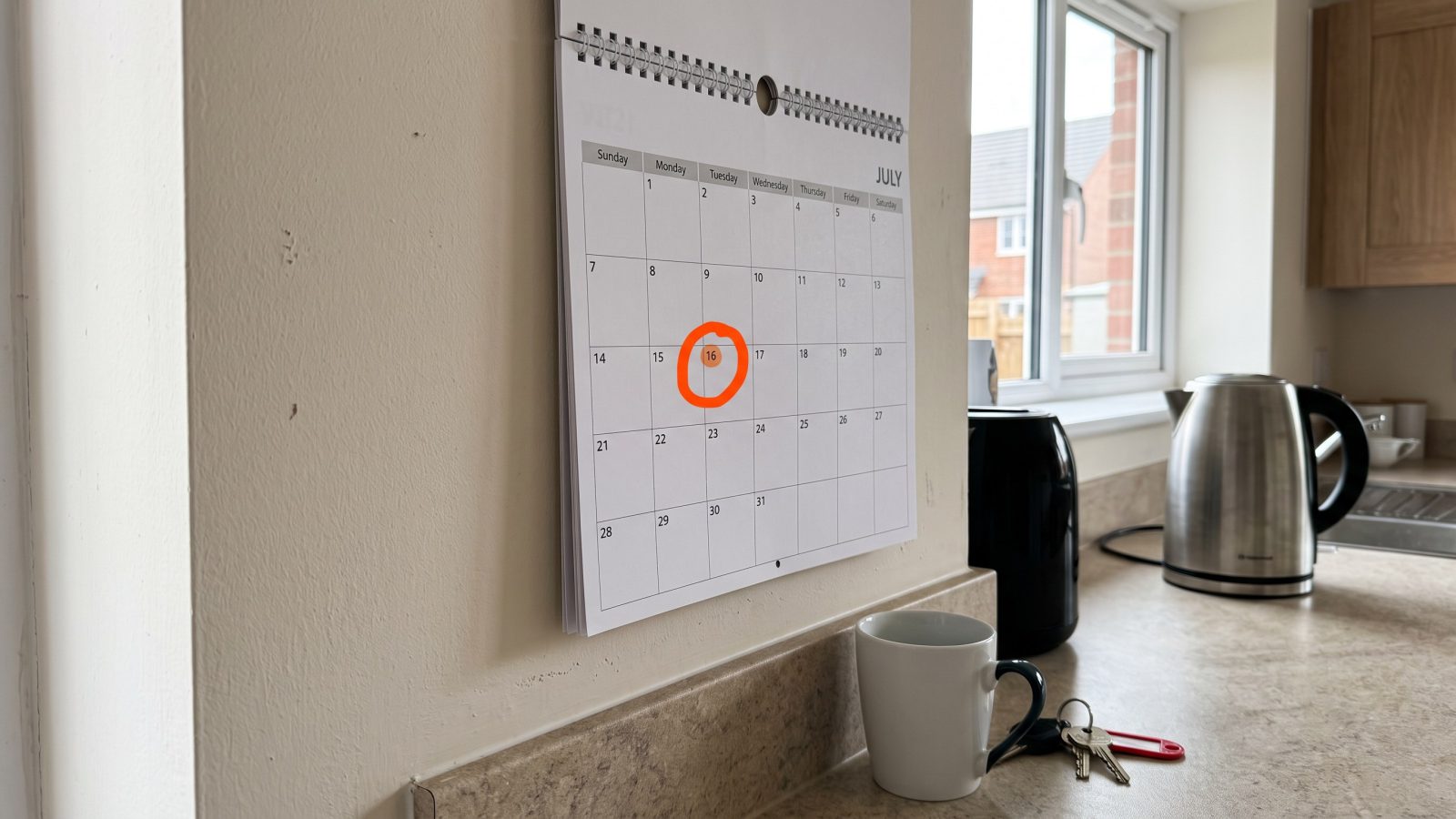
Every new home comes with a warranty, usually NHBC Buildmark, LABC, Premier Guarantee or similar. The first two years of that warranty are different from the rest, and most buyers do not realise how different until it is too late.
Years one and two: the developer
For two years after completion, the developer is responsible for putting right defects caused by their failure to build to the warranty provider’s standards. That includes workmanship and materials: the sticking doors, the cracked grout, the leaking trap, the missing insulation, the gutter with no fall. You report it, they fix it. If they do not, the warranty provider has a resolution service that can order them to.
Years three to ten: the warranty provider
After two years, the developer’s obligation ends. The warranty provider covers major damage caused by defects in specific structural parts of the home: foundations, load-bearing walls, roof structure, and so on. It does not cover finishes, fittings or anything that could have been reported in the first two years.
Everything the house has developed in two years of drying out, settling and being lived in becomes your cost on the day the period ends.
What to do
- Get an inspection before you complete, or as soon as you move in, and report everything on it in writing.
- Keep a log of every defect you notice afterwards and report those too. Shrinkage cracks, dropped doors and failed sealant show up in the first winter.
- Book an end-of-warranty inspection in month 21 or 22. It is the last chance to put anything on the developer’s bill.
Check your completion date and count forward. Put the date in your diary now.
More like this
The New Homes Quality Code, in plain English
What the code is, which developers are signed up, what it gives you, and how to use it when the sales office stops answering.