Ten defects the developer’s snagger keeps missing
Rich's list. The things he sees walked past on site every week, and what they cost if nobody catches them.
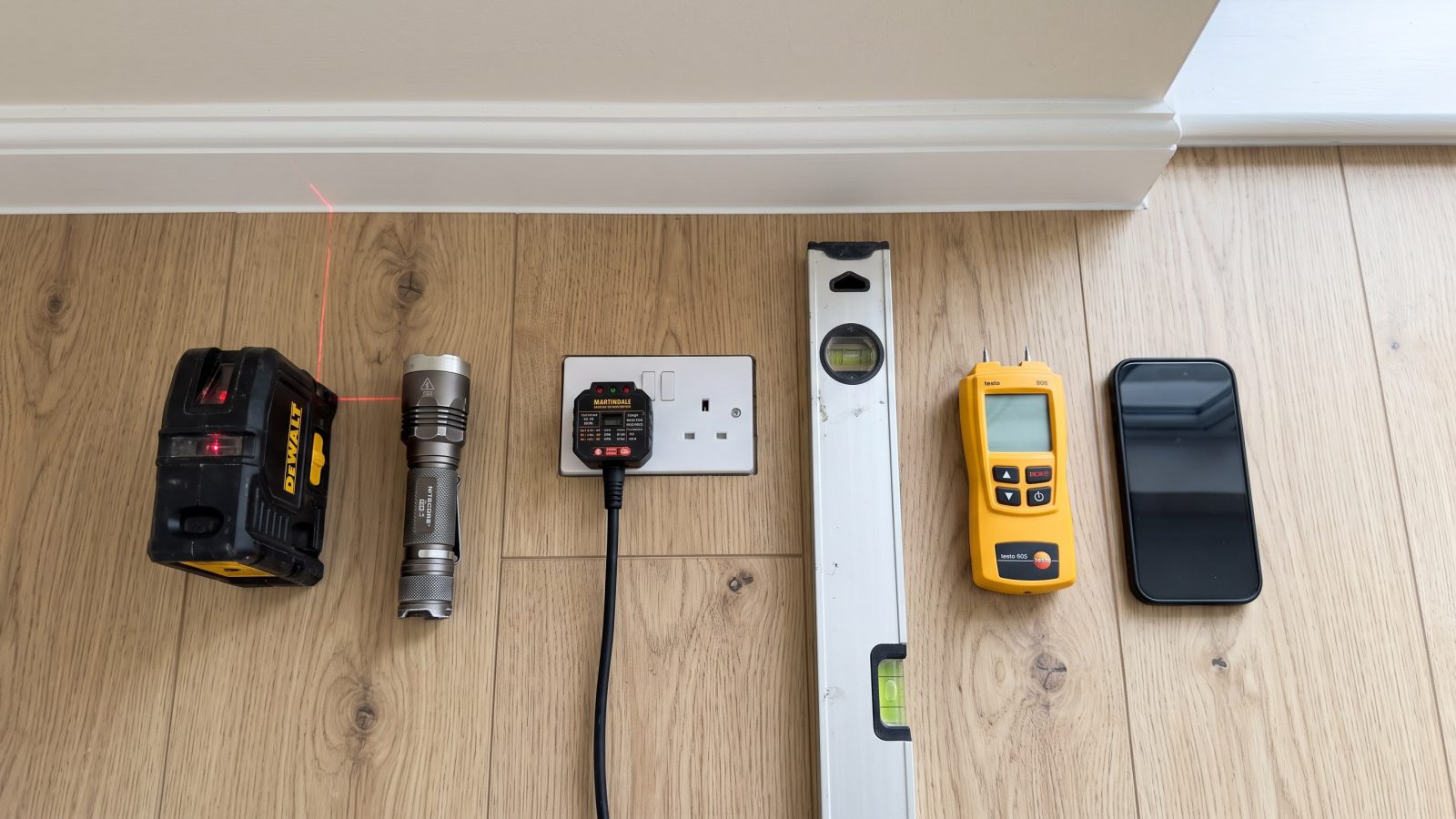
I work on new-build sites. I see the developer’s recommended snaggers come through, and I see what is still wrong after they have gone. These are the ten that come up again and again. None of them are dramatic. All of them cost money later.
- Blocked weep holes. The little gaps in the brickwork above windows and doors that let water out of the cavity. Mortar snots block them. Water then finds its own way out, usually through your plaster.
- Insulation pushed back from the eaves. The loft is insulated, but the last half metre at the edge has been shoved out of the way to get the ventilation trays in and never put back. Cold corners, condensation, mould in year two.
- Missing insulation over bathrooms. The plumber needed to get at the extractor duct. The insulation came up. It did not go down again.
- Unsealed bath panels. Looks fine. Weeps into the floor void every time someone showers.
- Sockets at the wrong height. Drawings say 450mm. Second fix was in a hurry. Half the room is at 410mm and the plates are not level. Cosmetic until you try to fit a bed against the wall.
- Fire door closers missing or disconnected. Between the garage and the house, usually. That door is there to stop a car fire reaching your bedrooms.
- Guttering with no fall. Water sits in it, then goes over the back onto the fascia. Rotten fascia, damp wall, three years from now.
- Ground levels too high against the wall. The landscapers built the patio up to the door threshold and bridged the damp-proof course. Damp at skirting level, blamed on “drying out”.
- Extractor fans that go nowhere. The fan runs. The duct behind it was never connected. Steam goes into the loft.
- Radiators that have not been balanced. Upstairs roasting, downstairs cold. The commissioning sheet has been signed anyway.
Why they get missed
Not because snaggers are lazy. Because most of them are checking finish, not construction. A paint run is easy to see. A bridged DPC needs you to know what a DPC is and where it should be. Trade experience is the difference, which is the whole reason New House Inspections exists.
Every one of these is on our checklist.